Folded Surface Study
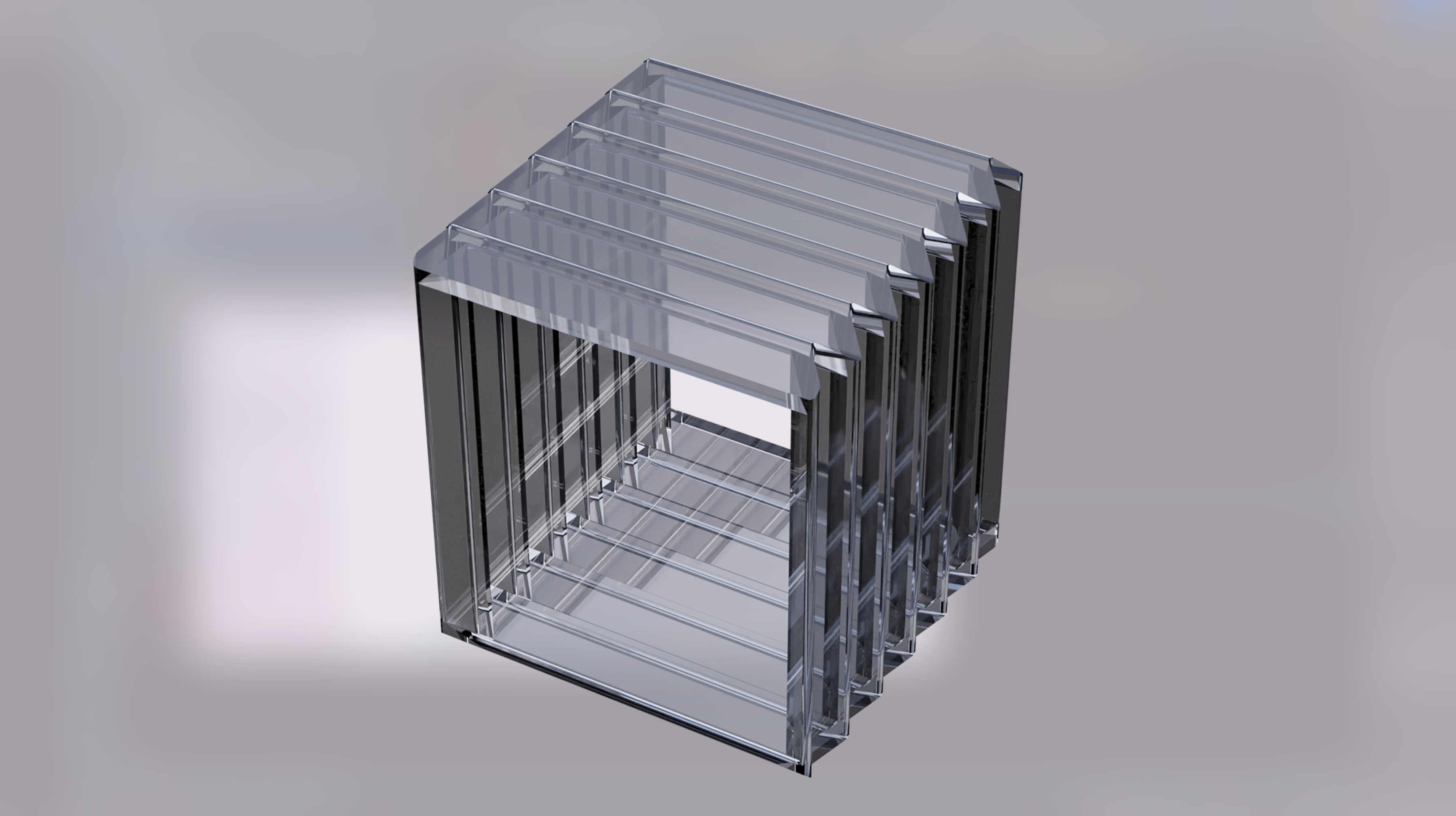
Miura-based 3D study modeled in Fusion 360 and rendered in Blender — exploring folded surfaces, geometric stability and spatial depth.
Miura-based stool concept developed through physical origami studies, CAD modeling and digital rendering —
exploring how folded surfaces can create structure, stability and spatial depth.
This project explores how a flat surface can be transformed into a stable three-dimensional seating object through folding principles. Before developing the final form, different origami folding patterns were physically tested and compared to understand their structural behavior, spatial qualities and potential for object design.
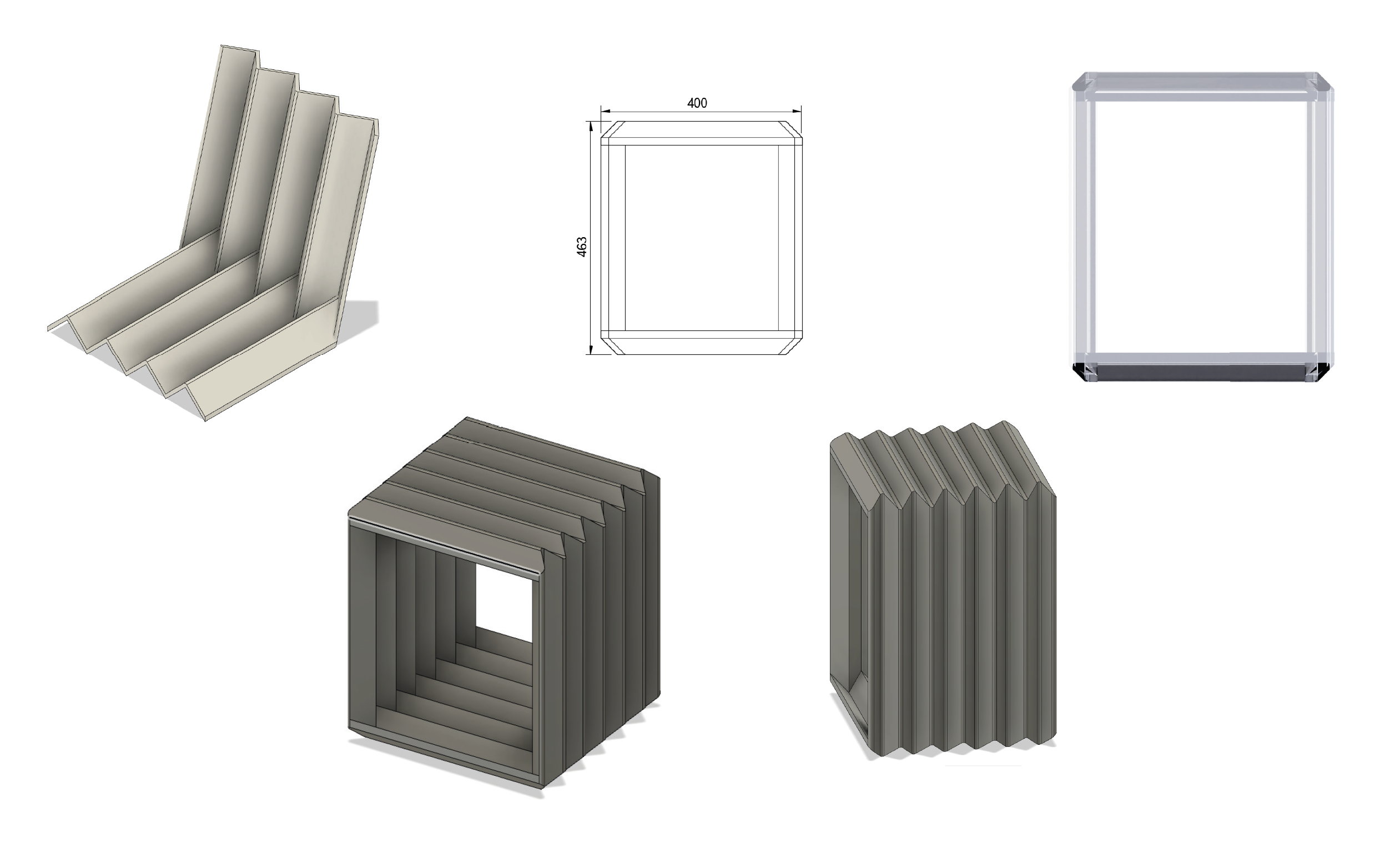
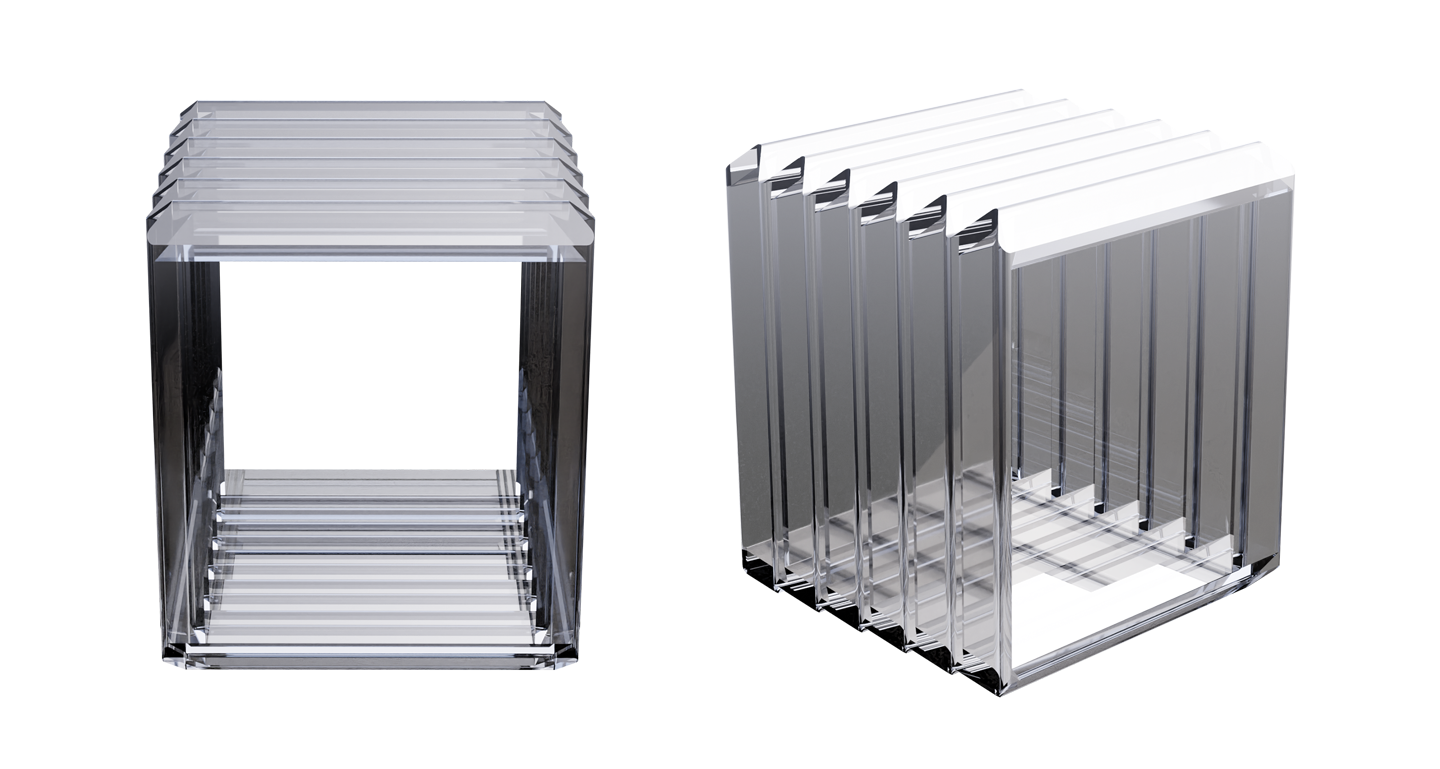
Based on these studies, I focused on the Miura folding pattern because it offered a strong balance of stability, rhythm and surface structure. The final stool concept translates this folding logic into a sculptural object with six rounded mountain folds, creating stability in both vertical and horizontal directions.
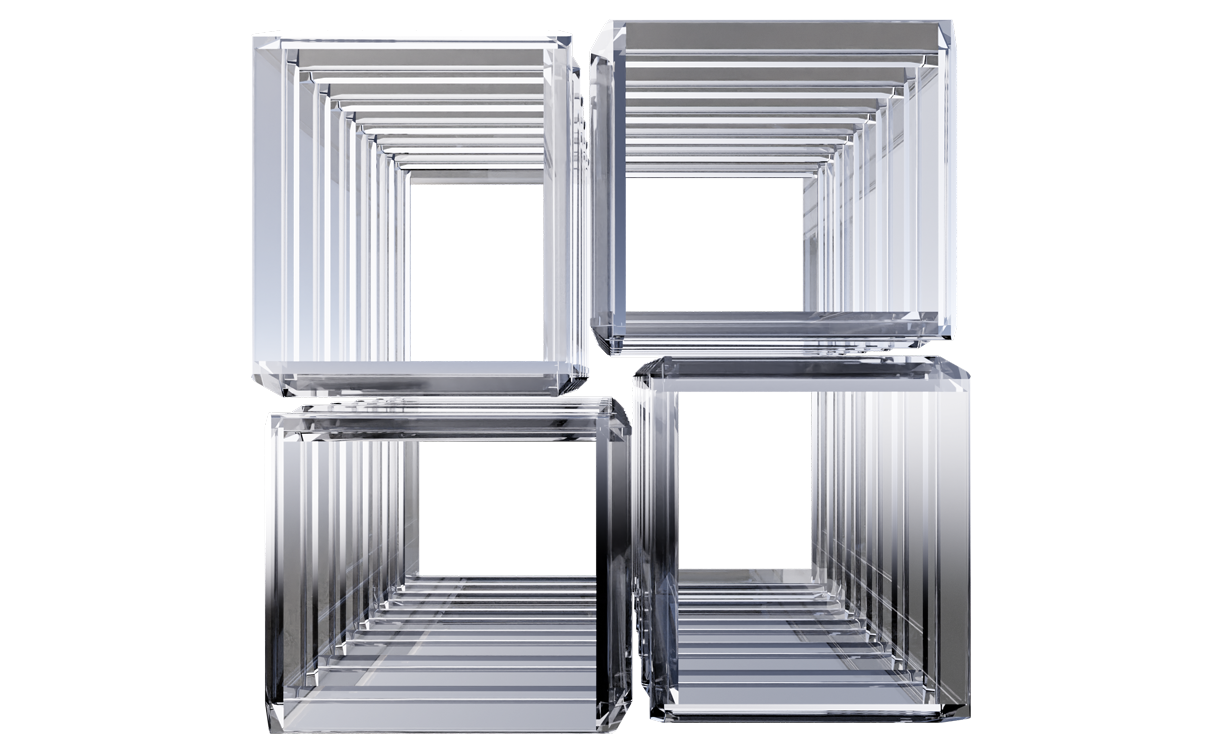
The object was developed in Fusion 360 and visualized in Blender. The focus was not on decorative styling alone, but on the relationship between physical folding experiments, geometric structure, surface rhythm and spatial presence.
This project explores how a flat surface can be transformed into a stable three-dimensional seating object through folding principles. Before developing the final form, different origami folding patterns were physically tested and compared to understand their structural behavior, spatial qualities and potential for object design.
Based on these studies, I focused on the Miura folding pattern because it offered a strong balance of stability, rhythm and surface structure. The final stool concept translates this folding logic into a sculptural object with six rounded mountain folds, creating stability in both vertical and horizontal directions.
The object was developed in Fusion 360 and visualized in Blender. The focus was not on decorative styling alone, but on the relationship between physical folding experiments, geometric structure, surface rhythm and spatial presence.
Context
3D form and surface studyMy Role
Origami research, physical folding studies, form development, CAD modeling and digital visualizationResponsibilities
Comparison of folding principles, physical fold experiments, Miura-based form development, surface structure, Fusion 360 modeling and Blender renderingProcess
Origami folding studies, evaluation of structural advantages, selection of the Miura pattern, physical form testing, CAD modeling, proportion refinement and digital renderingOutcome
Miura-based stool concept showing how folded surfaces can create structure, stability and spatial depthTools & Skills
Fusion 360, Blender, physical prototyping, CAD modeling, 3D visualization, geometric form development, surface structure